By Thomas Zuamo
In Nigeria’s healthcare sector today, context is everything.
Recent national conversations about shortfalls in Federal Government health releases have once again exposed a structural reality: tertiary hospitals are expected to deliver advanced, life-saving care while operating within tightening fiscal constraints. Capital releases are often delayed or insufficient, yet intensive care units must remain powered, oxygen must flow uninterrupted, and diagnostic machines must function daily.
This reality was starkly highlighted recently when only a tiny fraction of the ₦218 billion Federal Government capital budget for the health sector was released, just ₦36 million, leaving critical infrastructure projects unfunded and hospitals to shoulder this burden by relying on Internally Generated Revenue (IGR).
It is within this economic reality that the University of Benin Teaching Hospital (UBTH) has been navigating both reform and controversy.
Public debate has ranged from cost adjustments to allegations of misappropriation, patient extortion, and claims of avoidable deaths. These are serious concerns and deserve scrutiny. But scrutiny must be grounded in institutional facts and systemic realities, not viral narratives alone.
Infrastructure expansion in a period of fiscal strain
Since assuming office, the Chief Medical Director, Prof. Idia Ize-Iyamu, has refused to allow UBTH to be held hostage by underfunding. Her tenure has been defined by decisive action and transformative infrastructure improvements.
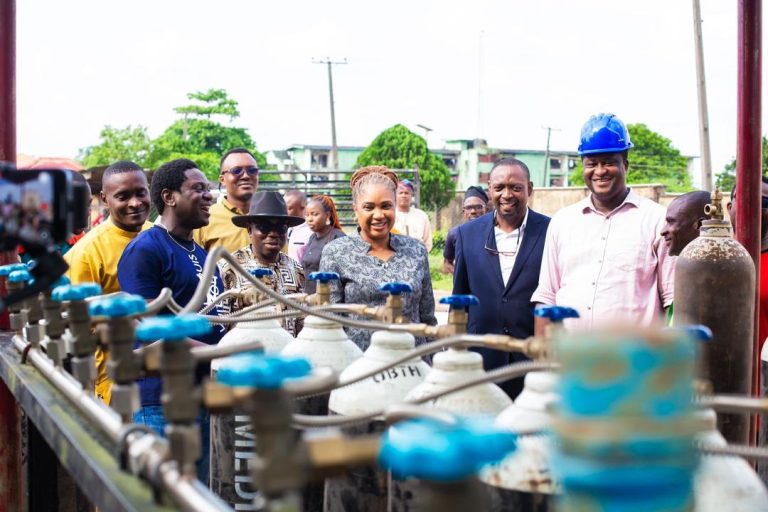
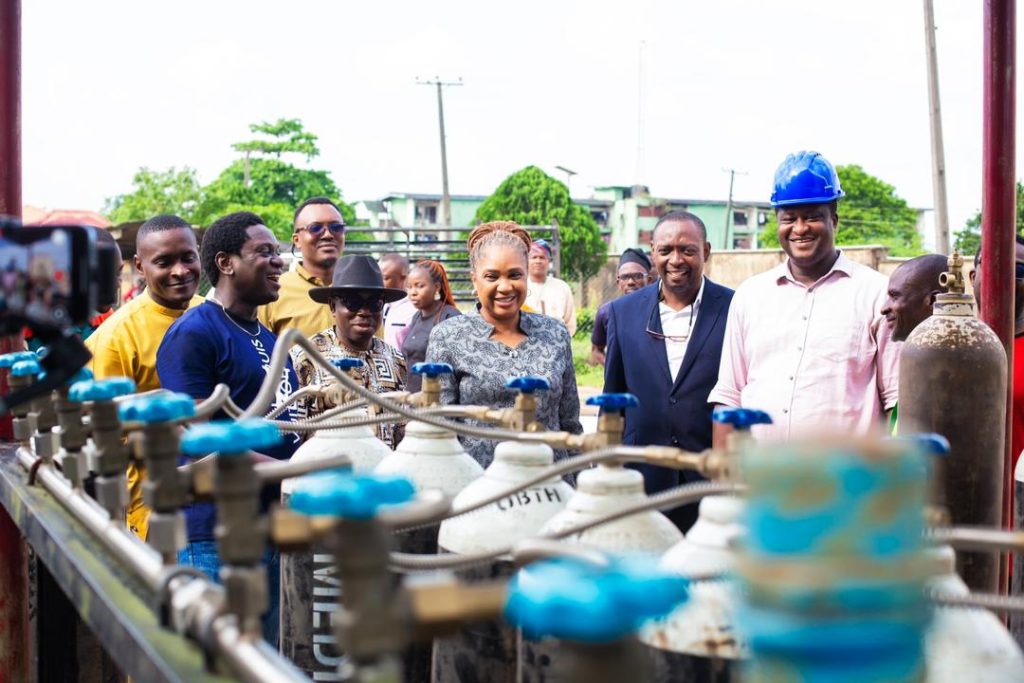
She secured a 10-ton liquid oxygen plant from the Federal Government, a lifesaving asset critical for neonates, surgical patients, trauma victims, and critical respiratory cases. This is not “bureaucratic progress.” It is survival infrastructural strategy that directly reduces preventable deaths.
UBTH also obtained a 160-Slice CT Scan Machine from the Japanese government. This milestone has transformed the diagnostic capacity of the hospital. Advanced imaging now accelerates emergency response, improves surgical precision, and strengthens specialist training, a clear signal that UBTH is committed to modern, world-class healthcare delivery standards.
The newly refurbished delivery suite is now fully equipped to save mothers and newborns. The ongoing National Health Insurance Scheme (NHIS) building complex expands structured insurance access, mitigating Nigeria’s overreliance on out-of-pocket payments.
In the Accident & Emergency (A&E) complex, cutting-edge equipment, including a Mindray 260 portable ultrasound, Mindray D30 defibrillator, patient monitors, suction machines, oxygen concentrators, compressor nebulizers, and other emergency essentials, ensures critically ill patients receive rapid, life-saving interventions. In A&E, seconds matter; equipment is the difference between life and death. This has helped mitigate the number of deaths recorded in the past before Prof Ize-Iyamu took over the management of the hospital as CMD.
Staff welfare is also prioritized. The ongoing Staff Lounge and Creche project strengthens morale and retention, while the upgraded police post ensures safety in a facility operating 24/7. This feat has made it possible for the hospital to operates effectively.
Finally, the newly built and fully equipped Public Health Communication Unit empowers UBTH to educate the public, fight misinformation, and provide transparent updates in real time, a critical tool for both patient advocacy and institutional accountability.
Addressing allegations: A need for evidence-based conversation
Allegations of misappropriation and extortion must always be treated seriously. However, such claims must be supported by verifiable evidence.
Institutions that are actively attracting high-value medical infrastructure, expanding diagnostic capacity, upgrading maternal facilities, constructing insurance complexes, and investing in communication systems present a governance pattern more aligned with expansion than diversion.
As for claims that “people are dying in the hospital,” it is important to remember that UBTH is a tertiary referral centre. It receives some of the most complex and advanced cases in the South-South region, from trauma, severe obstetric emergencies, late-stage illnesses, and complicated infections. Mortality in such settings, while tragic, is not proof of institutional failure. The more relevant question is whether the hospital is strengthening systems to reduce avoidable deaths.
The installation of an oxygen plant, acquisition of advanced imaging, refurbishment of delivery suites, and diagnostic efficiency reforms all point toward a strategy designed to reduce clinical risk, not increase it.
The introduction of a licensed private laboratory is part of a broader strategy to position UBTH as a modern, responsive, and patient-centered tertiary institution serving all, insured, uninsured, privileged, and indigent alike.
The Hard truth about health financing
Nigeria’s health financing model remains heavily dependent on out-of-pocket payments. Until insurance coverage expands substantially and federal funding fully matches operational needs, tertiary hospitals will continue balancing compassion with sustainability.
Deposit structures and cost reviews are uncomfortable conversations. But the alternative, broken ventilators, oxygen shortages, equipment downtime, and diagnostic delays, would be far more dangerous.
Responsible leadership is not measured by the absence of criticism. It is measured by whether an institution is stronger, more equipped, and more resilient than it was before.
By observable indicators, oxygen autonomy, advanced imaging, maternal health upgrades, insurance expansion, communication strengthening, workforce support, and innovative laboratory integration, UBTH appears to be pursuing structural resilience in a financially constrained environment.
Prof. Ize-Iyamu’s vision in difficult times
Healthcare governance in Nigeria today demands courage. It demands innovation. It demands transparency. And it demands a willingness to make decisions that protect tomorrow’s patients, not just today’s headlines.
In the absence of federal subvention, hospitals have been tasked on the need to innovate aggressively in generating revenues internally so as to sustain their services to the people. But in a system defined by funding gaps, leadership that drives sustainability should be assessed within the realities it confronts.
UBTH’s trajectory under the visionary leadership of Prof. Ize-Iyamu suggests an institution attempting to modernize, not monetize; to stabilize, not exploit.
Sustainability is not exploitation. It is stewardship.
And in a tough economy, stewardship is leadership.
Zuamo is a public affairs commentator and resides in Benin City