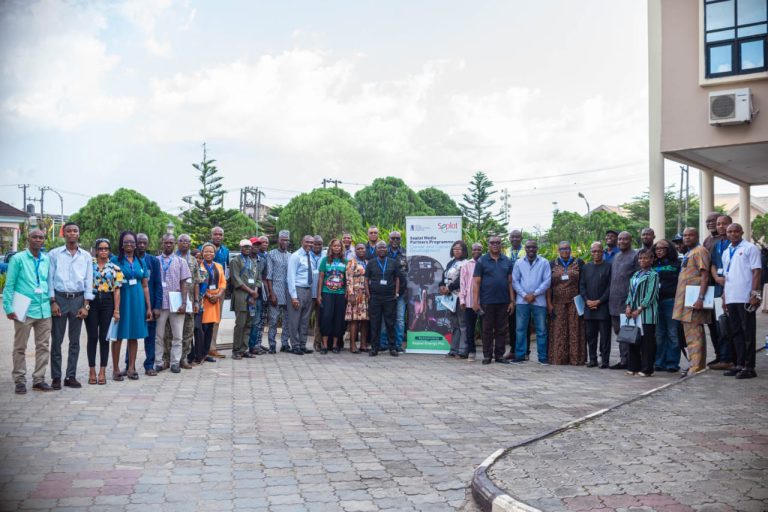
Former Vice-Chancellor of the Federal University of Petroleum Resources, Effurun, Prof. Akii Ibhadode, has called on the Edo College Old Boys Association (ECOBA) to take proactive steps by developing and implementing a well-structured and sustained intervention programme.
This initiative aims to tackle the issues of infrastructural deterioration and the decrease in academic performance currently plaguing Edo College.
Speaking at the ECOBA biennial conference, Ibhadode lamented the decline of the once prestigious institution, established in 1937, emphasizing that while past contributions from alumni are appreciated, a more strategic and unified approach is now crucial to restore the school’s former glory.
He stressed the need for a transformational impact through combined efforts to tackle the developmental challenges facing the college.
The don stated “The overall development challenges facing Edo College lie in improving its infrastructure, strengthening teaching and learning, and institutionalising a robust guidance and counselling system for students.
“These contributions are valuable, but their lack of integration limits the overall impact and fails to maximise the benefits of support from government and other partners,” he said.
The erstwhile vice-chancellor warned that the school’s deterioration, which began in the 1980s due to inadequate funding, poor maintenance and teacher attrition, had eroded the strong academic reputation.
Meanwhile, the biennial conference also witnessed the election of new executive members to steer ECOBA’s affairs for the next two years, with Engr. Gregg Ogbeifun emerging as President.
Ogbeifun took over from former governor of Edo, Chief Lucky Igbinedion.
In his inaugural address, the new president pledged to ensure a strategic plan that will guide the next 10 years of interventions in the school.
Ogbeifun called on all stakeholders, including old boys, parents, teachers, and students, to work together to support the new administration’s efforts.
He promised that the administration would be transparent and accountable in its use of resources and would regularly update the stakeholders on its progress.